

How to Get Your Roof Ready Before Fall Storms Arrive
Fall in North Texas brings shifting weather that can test the strength of any roof. Cooler air moves in, wind speeds pick up, and storm systems roll across the region with little warning. Your roof took a beating through the long summer heat, and that wear does not disappear on its own. Getting ahead of the season protects your home, your budget, and your peace of mind. A roof that looks fine from the ground can still hide loose shingles, cracked sealant, or clogged gutters. Small problems grow fast once heavy rain and gusty wind arrive. The good news is that fall storm prep follows a clear set of steps you can plan around. This guide walks through what matters most so your home stays dry and secure when the weather turns.
How Fall Storm Preparation Protects Your Roof
Your roof works hardest during the months you notice it least. Through summer, intense Texas sun bakes asphalt shingles and slowly dries out the protective oils inside them. By the time fall arrives, that material can turn brittle and lose some of its grip. Fall storm preparation matters because it catches this hidden wear before the first heavy system rolls through. Strong wind lifts weak shingles, and steady rain finds every gap left behind. A prepared roof sheds water cleanly and holds firm against gusts. Skipping this step leaves your home exposed at the worst possible time.
Summer Wear That Makes Fall Storm Preparation Necessary for Your Roof
Months of direct sunlight place real stress on every roofing material above your head. Asphalt shingles expand during hot afternoons and contract once temperatures drop overnight, and that cycle repeats daily across the entire summer. Over time, this constant movement loosens the bond between shingles and the sealant strips that hold them down. The granules that shield shingles from sun damage begin to loosen and wash away with each rain. You may spot some of these granules collecting in your gutters or at the base of downspouts. As the protective layer thins, the asphalt underneath grows more vulnerable. Fall storm preparation starts with recognizing that your roof already carries this summer wear into the new season.
Heat does more than age the shingles you can see from the curb. Attic temperatures in North Texas can climb well past comfortable levels during peak summer, and that trapped heat pushes upward against the roof deck. Poor ventilation traps moisture and warm air, which can warp the wood sheathing beneath your shingles. Nail heads can back out slightly as the deck expands and contracts, leaving small openings. Flashing around chimneys and vents can loosen as metal swells in the heat. Each of these issues seems minor on its own. Together they create weak points that fall storms are quick to exploit. Addressing them early keeps small flaws from becoming leaks.
The transition from summer to fall happens faster than many homeowners expect in this part of Texas. One week feels like peak summer, and the next brings a sharp cold front with wind and rain. That sudden shift gives a worn roof very little time to adjust. A shingle already loosened by heat has no chance to reseal before the first gust tugs at it. Sealant that dried and cracked through August will not suddenly repair itself. This is exactly why fall storm preparation needs to happen before the weather turns rather than after the first storm reveals the damage. Acting early gives you room to fix problems on your schedule instead of during an emergency. Your roof rewards that planning with a season of reliable protection.

How Wind and Rain Test a Roof Without Fall Storm Preparation
Fall storms in North Texas combine two forces that punish any weakness in a roof. Wind arrives first, often in strong gusts that catch the edges of shingles and lift them upward. A shingle that has lost its seal can flap, bend, or tear away entirely under that pressure. Once a shingle is gone, the layer beneath it sits exposed to the open sky. Rain follows the wind and pours across the surface looking for any path inside. Water never needs a large opening; a gap the width of a nail head is enough. This is why an unprepared roof so often leaks during the very first storm of the season.
Driving rain behaves differently than a calm, steady shower. Wind pushes water sideways and even upward, forcing it under shingle edges and around flashing that would stay dry in gentler weather. Valleys where two roof slopes meet carry the heaviest flow during a storm, and any weakness there shows quickly. Around chimneys, skylights, and vent pipes, the sealant and flashing take the full force of wind driven water. If those areas were not checked during fall storm preparation, water slips past them and into the attic. From there it travels along beams and insulation before it ever reaches your ceiling. By the time a stain appears indoors, the leak has often been active for some time.
Repeated storms compound the damage in ways a single event rarely does. The first system might loosen a few shingles and open a small gap, and on its own that seems survivable. The next storm widens those openings and works water deeper into the roof structure. Wet decking loses strength and can begin to rot if it never fully dries between systems. Insulation that absorbs water loses its ability to regulate temperature in your home. Mold can take hold in dark, damp attic spaces within a matter of days. A roof that received proper fall storm preparation resists this chain of events because its defenses stay intact. Prevention always costs less than the repairs that follow neglect.
The Real Cost of Skipping Fall Storm Preparation on Your Roof
The price of ignoring fall storm preparation rarely shows up all at once. A single missing shingle might cost very little to replace if you catch it early. Left alone, that same spot can let water reach the decking, the insulation, and eventually the drywall below. What started as a simple shingle replacement grows into a project involving structural repair and interior restoration. Each layer of damage adds to the final bill. Homeowners are often surprised by how quickly a minor issue turns into a major expense. Fall storm preparation keeps these costs small by stopping problems at the surface.
Insurance adds another layer to consider when storm damage strikes an unprepared roof. Many policies expect homeowners to maintain their roof in reasonable condition. If an adjuster finds that a leak resulted from long term neglect rather than a sudden storm, your claim can face delays or denial. Documented maintenance and inspections strengthen your position when you do need to file. A roof kept ready for fall storms gives you a clear record showing the damage came from the weather and not from deferred care. That distinction can mean the difference between a covered repair and one you pay for yourself. Want help documenting your roof condition before storm season? Click here for our roofing service.
Beyond dollars, skipping preparation costs you time and comfort at the worst moments. A leak that appears during a midnight storm forces emergency calls and buckets under dripping ceilings. Water damage disrupts daily life and can push you out of rooms in your own home. The stress of a sudden failure often outweighs the storm itself. Scheduling work ahead of the season puts you in control of the timeline and the cost. You choose the contractor, review the options, and plan around your budget. That calm, measured approach simply is not available once water is already coming through the roof.
Roof Inspection Steps to Get Ready for Fall Storms
A thorough roof inspection forms the heart of any fall storm preparation plan. You cannot fix what you have not found, and many roof problems hide where the ground level view never reaches. A complete inspection covers the shingles, the flashing, the gutters, and the attic from inside. Each of these areas tells part of the story about how ready your roof is for the season ahead. Some checks are safe to handle yourself from the ground with a pair of binoculars. Others involve climbing, walking the roof surface, and knowing what early damage looks like. Understanding the full process helps you decide which steps to take on your own and where a professional makes sense.
How a Roof Inspection Finds Damage Before Fall Storms
A roof inspection works best as a top to bottom review rather than a quick glance. The process usually starts on the ground, where a trained eye scans the roof line for sagging, missing shingles, or obvious gaps. From there, a closer look at the surface reveals problems that distance hides. Curling shingle edges, bald spots where granules have worn away, and lifted tabs all signal trouble. Each of these tells the inspector how much life the roof has left and where it might fail first. Catching these signs before fall storms gives you time to act. A roof inspection turns guesswork into a clear plan you can follow.
The areas around roof penetrations deserve special attention during any inspection. Chimneys, skylights, vent pipes, and exhaust fans all break through the roof surface, and each break needs flashing and sealant to stay watertight. Over time, sealant shrinks, cracks, and pulls away from the surfaces it once protected. Flashing can rust, bend, or work loose as the roof expands and contracts through the seasons. These spots cause a large share of roof leaks because they take constant stress from both weather and temperature swings. A careful inspection checks every penetration and notes any sealant that has aged or flashing that no longer sits tight. Repairing these points before fall storms is one of the most effective ways to keep water out.
The inside of your home offers clues that an outside inspection alone can miss. The attic is the first place water shows up after a roof problem begins, often long before a ceiling stain appears. During an inspection, daylight visible through the roof boards points to gaps that need immediate attention. Dark streaks on the wood sheathing reveal where water has already traveled. Damp insulation, a musty smell, or soft spots in the decking all signal active or past leaks. Checking the attic completes the picture that the rooftop view started. A roof inspection that skips the attic leaves half the story untold.
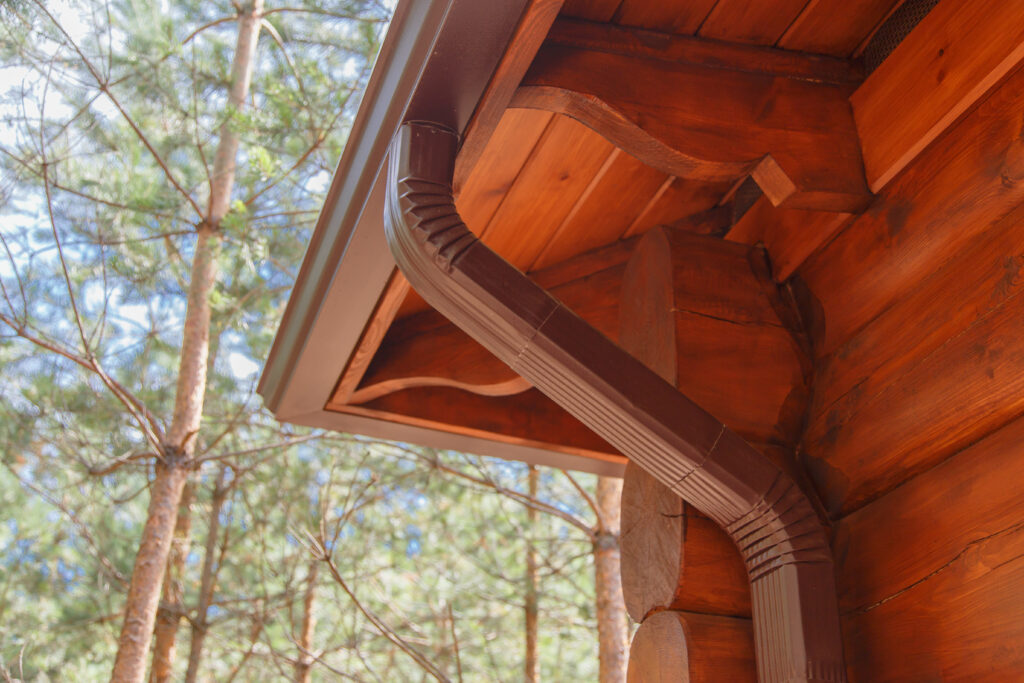
Gutter and Drainage Checks During Your Fall Storm Roof Inspection
Gutters play a larger role in roof health than most homeowners realize. Their job is to capture the water shedding off your roof and carry it safely away from the structure. When gutters clog with leaves, twigs, and shingle granules, that water has nowhere to go. It pools along the roof edge, backs up under the shingles, and soaks into the fascia and decking. During fall, falling leaves accelerate this clogging at the exact moment heavy rain arrives. A gutter check is therefore a core part of any fall storm roof inspection. Clearing them before the season keeps water moving the way it should.
Drainage problems extend beyond the gutters themselves to the downspouts and the ground below. A downspout that empties right against your foundation sends storm water exactly where you do not want it. Splash blocks and extensions carry that water several feet away, protecting both the foundation and the soil around it. During the inspection, each downspout should be checked for clogs and proper flow. Loose or sagging gutter sections need refastening so they hold the right slope toward the downspouts. A gutter that tilts the wrong way traps water instead of draining it. Getting drainage right keeps fall storm water away from the parts of your home it can damage most. Need your gutters cleared and checked before the storms hit? Click here for our gutter service.
Healthy gutters also protect the roof edge, an area that takes constant abuse. The first row of shingles along the eave is the last line of defense before water reaches the fascia and soffit. When gutters overflow, water wicks back under these shingles and rots the wood behind them. This kind of damage often hides from view until it becomes severe. A fall storm roof inspection that includes the gutters catches this early, while repairs are still simple. Replacing a section of fascia costs far less than rebuilding a rotted roof edge. Keeping gutters clear is one of the easiest and most affordable steps in your storm preparation.
Flashing, Sealant, and Shingle Repairs in a Fall Storm Roof Inspection
Once an inspection identifies the weak points, targeted repairs put your roof back in fighting shape. Loose or missing shingles top the list, since they leave the underlayment and decking open to the weather. Replacing them with matching material restores the smooth, overlapping shield your roof depends on. Each new shingle needs proper nailing and sealing so it bonds with the ones around it. Hand sealing the tabs adds extra grip against the wind that fall storms bring. This work goes quickly when the damage is limited and caught early. The result is a roof surface ready to face wind and rain without weak spots.
Flashing repairs protect the joints where the roof meets walls, chimneys, and other surfaces. When an inspection finds rusted, bent, or loose flashing, replacing it restores the watertight seal at these critical points. Fresh flashing is bedded into place and sealed so wind driven rain cannot slip behind it. The metal must overlap correctly so water always flows over the top and never underneath. Around a chimney, step flashing and counter flashing work together to guide water away from the masonry. Done correctly, these repairs handle the heaviest storms without leaking. Flashing is small in size but enormous in importance to a dry home.
Sealant renewal finishes the repair stage of fall storm preparation. Over a single Texas summer, exposed sealant can dry, crack, and pull away from the surfaces it protects. An inspection notes every joint where the sealant has failed, from vent boots to flashing edges. Removing the old, brittle material and applying fresh, flexible sealant closes these gaps for the season. The new sealant flexes with the roof as temperatures change, holding its bond far longer. This small step seals dozens of potential entry points that water would otherwise find. With shingles, flashing, and sealant all restored, your roof stands ready for whatever fall delivers.
Why You Need Professional Help to Get Your Roof Ready for Fall Storms
Some fall storm preparation is well within reach for a careful homeowner, but the most important steps belong to a trained roofer. Walking a roof safely takes the right equipment and experience that most people do not have. More than that, spotting early damage requires an eye trained to read the small signs that point to bigger problems. A professional inspection catches issues you would likely miss and repairs them correctly the first time. The few hours a contractor spends now can save you from a season of leaks and costly emergencies. Bringing in expert help is the surest way to know your roof is truly ready.
When to Call a Roofing Contractor for Fall Storm Roof Preparation
Certain signs tell you it is time to bring in a professional rather than handle the work yourself. Any sign of an active leak, such as a ceiling stain or damp attic insulation, calls for immediate expert attention. Visible sagging in the roof line points to possible structural trouble that should never wait. If your roof is more than a decade old, a professional assessment helps you understand how many seasons it has left. Storm preparation is the right moment to get that honest evaluation. Calling early always beats calling after the damage is done.
Height and safety alone justify a call to a roofing contractor for many homeowners. Climbing onto a roof carries real risk, and steep or tall roofs raise that risk sharply. A contractor arrives with harnesses, ladders, and the training to work safely at height. They cover far more of the roof in a single visit than a nervous homeowner ever could from the edge. That thorough coverage means fewer missed problems heading into fall storm season. Your safety is never worth the cost of a do it yourself inspection gone wrong.
A professional also brings the tools and materials to fix problems on the spot. When an inspection finds a worn flashing or a cracked seal, a contractor can repair it during the same visit. This saves you the delay of finding help after the first storm has already exposed the weakness. Quality materials and proper technique mean those repairs last through the season and beyond. Need a full roof checkup before fall storms arrive? Click here for our roofing service. Acting now puts a trained team on your side before the weather turns.

What Professional Fall Storm Roof Preparation Includes
A professional fall storm preparation visit follows a clear and thorough routine. It begins with a complete inspection of the roof surface, the flashing, the gutters, and the attic. The roofer documents every finding so you know exactly what condition your roof is in. From there, you receive a clear explanation of what needs attention now and what can wait. This honest breakdown lets you make informed decisions about your home. Nothing about the process should feel rushed or unclear.
The repair stage addresses the issues the inspection uncovered. Loose shingles are replaced, failed sealant is renewed, and flashing is repaired or replaced as needed. Gutters are cleared and resecured so water drains away from the structure. Each repair uses materials matched to your existing roof for a clean, lasting result. The goal is a roof that sheds wind and water without a single weak point. When the work is finished, your home is ready for the season ahead.
The visit ends with guidance that helps you protect your investment going forward. A good contractor explains how to spot early warning signs between professional visits. They may point out tree limbs that should be trimmed back before they fall on the roof in a storm. You learn what to watch for in your attic and along your gutters as the season progresses. This knowledge turns a one time visit into ongoing protection. A prepared homeowner and a prepared roof make a strong team against fall weather.
Why Choose KG Roofing & Renovations for Fall Storm Roof Preparation
KG Roofing & Renovations brings a reputation built on trust and proven results across North Texas. We hold an A plus rating with the Better Business Bureau, a mark earned through honest work and satisfied homeowners. As a preferred contractor for IKO and Owens Corning, we install top tier materials backed by leading manufacturers. Every replacement job carries our four year labor warranty, giving you confidence that the work will hold. We also provide a free, no obligation estimate on every project so you know your options before you commit. That combination of quality and transparency sets our team apart.
Our approach to fall storm preparation puts your home and your budget first. We inspect thoroughly, explain clearly, and recommend only the work your roof truly needs. There is no pressure and no upselling, just an honest assessment from a team that respects your trust. We even pay roof repairs forward, applying the full credit toward a future replacement when that day comes. That policy means the money you spend now protects your investment down the road. Homeowners across the Mansfield area return to us because we treat their homes the way we would treat our own.
Getting your roof ready before fall storms arrive starts with a single phone call to a team you can rely on. We proudly serve Mansfield and communities throughout the surrounding area, from Arlington and Burleson to Cedar Hill and beyond. Our crews show up on time, work cleanly, and leave your roof prepared for whatever the season brings. When you are ready to protect your home, reach out to KG Roofing & Renovations at (817) 368-5115 for your free estimate. Fall storms wait for no one, and the best time to prepare is before the first cloud rolls in. Let us help you face the season with a roof you can count on.