

How to Prepare Your Roof for the First Freeze
The first freeze of the season can catch North Texas homeowners off guard, and your roof takes the hardest hit when temperatures drop overnight. Cold air, ice, and shifting temperatures put stress on shingles, flashing, and gutters that felt perfectly fine during the warm months. A roof that looks solid in October can develop leaks and cracks once freezing weather settles in over Mansfield and the surrounding area. The good news is that a little preparation now saves you from expensive repairs and interior water damage later. This guide walks you through the exact steps to get your roof ready before the temperature dips below freezing. You will learn what to inspect, what to clean, and which problems tend to show up during the coldest weeks of the year. Each step is simple, and most of them cost little to nothing when you handle them early. By the time the first hard freeze arrives, your roof will be ready to protect your home through the whole winter season.
What to Do to Prepare Your Roof for the First Freeze
Preparing your roof for the first freeze starts with a clear plan and a close look at the parts that fail most often in cold weather. Three areas matter more than the rest: your shingles, your gutters, and your attic. Each one plays a direct role in keeping water out and heat where it belongs once freezing temperatures arrive. When any of these systems falls behind, small issues turn into leaks, ice buildup, and higher energy bills. Handling them in the right order gives you the best protection for the lowest cost. The steps below break down what to check and how to spot trouble before it spreads. Start early in the fall so you have time to schedule any repairs before the weather turns. A roof that is ready for the first freeze holds up better through every storm that follows.
Inspect Your Shingles to Prepare Your Roof for the First Freeze
Shingles form the first line of defense on your roof, and cold weather is hard on any shingle that is already worn. Start by walking your property and looking up at the roof from the ground with a pair of binoculars. Look for shingles that are cracked, curling at the edges, or missing entirely. Also watch for dark patches, which often signal that the protective granules have washed away over time. Granules shield the asphalt layer from sun and ice, so a bald spot leaves that shingle open to damage. In freezing weather, brittle shingles crack more easily under the weight of ice or a falling limb. Catching these weak spots now gives you time to replace them before the first freeze arrives.
Pay close attention to the shingles near your roof valleys, chimney, and vents. These low points channel the most water, and they take the heaviest load when ice melts and refreezes. Flashing, the thin metal that seals these joints, can loosen or rust as it ages. When flashing pulls away, water slips underneath and freezes inside the gap, which widens the crack a little more each night. This cycle of freezing and thawing is one of the leading causes of winter roof leaks in the region. Run your eyes along every seam and look for lifted metal, gaps, or old caulk that has dried out. A roofer can reseal these areas quickly if you spot the problem early.
If climbing on the roof feels unsafe, and for most homeowners it should, leave the close inspection to a trained professional. A roofing crew can walk the surface, press on soft spots, and check the areas you cannot see from the yard. They will find lifted nails, worn sealant, and hidden cracks that turn into leaks once the temperature drops. Need a full roof inspection before the cold sets in? Click here for our roofing services. Our team knows exactly what fails during a North Texas freeze, and we document every finding with photos. Fixing a handful of shingles in the fall costs far less than repairing a ceiling in January. Early action is the smartest move you can make for your roof this season.

Clean Your Gutters to Prepare Your Roof for the First Freeze
Gutters do more for your roof in winter than most homeowners realize. Their job is to carry water away from the roof edge and down toward the ground where it belongs. When leaves, twigs, and shingle grit pile up, that water has nowhere to go and pools along the roofline. Once the first freeze hits, the trapped water turns to ice and expands inside the gutter. That added weight pulls gutters loose from the fascia and can tear them off the house entirely. Frozen water also backs up under the shingles at the eaves, which pushes moisture into your attic and walls. Clean gutters let the system drain freely, even on the coldest nights.
Start the cleaning process on a dry day well before freezing weather arrives. Scoop out the debris by hand or with a small trowel, then flush the channels with a garden hose. Watch how the water flows toward each downspout, and clear any clog that slows the drain. While you work, check that the gutters still sit tight against the house and slope slightly toward the outlets. Loose brackets and sagging sections are common, and they only get worse under the weight of ice. Also inspect the downspouts to confirm they carry water several feet away from the foundation. A clean, well anchored gutter system protects both your roof and the ground beneath it.
Clogged gutters cause some of the most expensive winter damage we see, and the fix is simple when handled early. If your gutters are old, bent, or pulling away, replacing them before the freeze is money well spent. Want gutters that drain the way they should all winter? Click here for our gutter services. Our crew can clean, repair, or install a full system that keeps water moving away from your roof. We also check that your gutters work with your roof edge to stop ice from forming at the eaves. Fresh, properly pitched gutters take a major worry off your list before the season changes. Handling this task now means one less thing to fix when the first hard freeze rolls through Mansfield.
Check Your Attic Insulation to Prepare Your Roof for the First Freeze
Your attic has more to do with your roof than you might expect, and it matters a great deal once freezing weather arrives. Warm air from your living space rises and collects in the attic during the winter months. If your insulation is thin or uneven, that heat escapes straight through the roof deck. The warmth melts any frost or ice sitting on the shingles above, and the runoff slides down to the cold roof edge. There it refreezes into a ridge of ice known as an ice dam. Ice dams trap water on the roof, and that water works its way under the shingles and into the house. Solid attic insulation keeps the heat in your rooms and keeps the roof deck cold and safe.
Head into your attic with a flashlight and look at the insulation covering the floor. It should sit at an even depth across the whole space, with no thin patches or bare spots. Check the corners and the edges near the eaves, since these areas are easy to miss when insulation is installed. While you are up there, look for daylight around vents, pipes, and the chimney, because those gaps let heat leak out fast. Also scan the underside of the roof deck for dark stains or damp wood, which point to a past or active leak. Good ventilation matters as much as insulation, so confirm your soffit and ridge vents are clear. Balanced airflow keeps the attic cold and dry through every freeze.
Improving your attic before winter pays off in two ways: fewer ice dams and lower heating bills. Sealing gaps and adding insulation keeps warm air where you want it and reduces the strain on your furnace. It also protects your roof deck from the constant freezing and thawing that shortens a roof’s life. Many homeowners are surprised how much a small insulation upgrade lowers their energy costs over a single winter. If you find stains or moisture during your check, call a roofer to trace the source before the cold makes it worse. A dry, well insulated attic is one of the strongest defenses your roof has during the first freeze. Take the time to look now, and you will avoid a nasty surprise later in the season.
Common Roof Problems That Happen During the First Freeze
Even a roof that looks healthy can run into trouble once the temperature drops below freezing. Cold weather exposes weak points that stayed hidden all summer and fall. The three problems below show up again and again on North Texas roofs each winter. Knowing what they look like helps you act fast before a small issue floods your home. Each one connects back to the same steps you took to prepare your roof for the first freeze. When you understand the cause, the fix becomes clear and far less stressful. Watch for these signs during and after the first cold snap of the year.
Ice Dams as a Roof Problem During the First Freeze
Ice dams are one of the most damaging roof problems during the first freeze, and they form more easily than people think. The trouble begins when heat escapes into the attic and warms the roof deck from below. Ice and frost on the upper part of the roof melt, then the water runs down toward the colder eaves. At the edge, where there is no warmth from the attic, the water freezes again into a solid ridge. That ridge grows with each cycle and blocks the next round of melting water from draining off. The trapped water then backs up under the shingles and finds its way inside. Ceilings, walls, and insulation all suffer once that water breaks through.
You can often spot an ice dam from the ground as a thick band of ice along the roof edge or large icicles hanging from the gutters. Water stains spreading across an upstairs ceiling are another warning sign that a dam has formed above. Never try to chip the ice away with a hammer or sharp tool, since that damages the shingles underneath. Instead, focus on the causes you can control, which are attic heat and clogged gutters. A cold roof deck and a clear drainage path stop most ice dams before they start. If you already see one forming, a roofer can remove it safely and find the leak it caused. Acting quickly limits how far the water spreads into your home.
Preventing ice dams comes back to the preparation steps you take before the first freeze. Seal the attic, add insulation, and keep your gutters clean so water always has a clear path off the roof. Proper roof ventilation keeps the deck at an even, cold temperature from ridge to eave. When the whole roof stays cold, snow and ice melt slowly and drain the way they should. Homes with older roofs or poor ventilation face the highest risk, so an inspection is worth the effort. Our team can check your ventilation and insulation together to find weak spots before winter. Stopping an ice dam before it forms is always cheaper than repairing the damage it leaves behind.
Cracked Shingles as a Roof Problem During the First Freeze
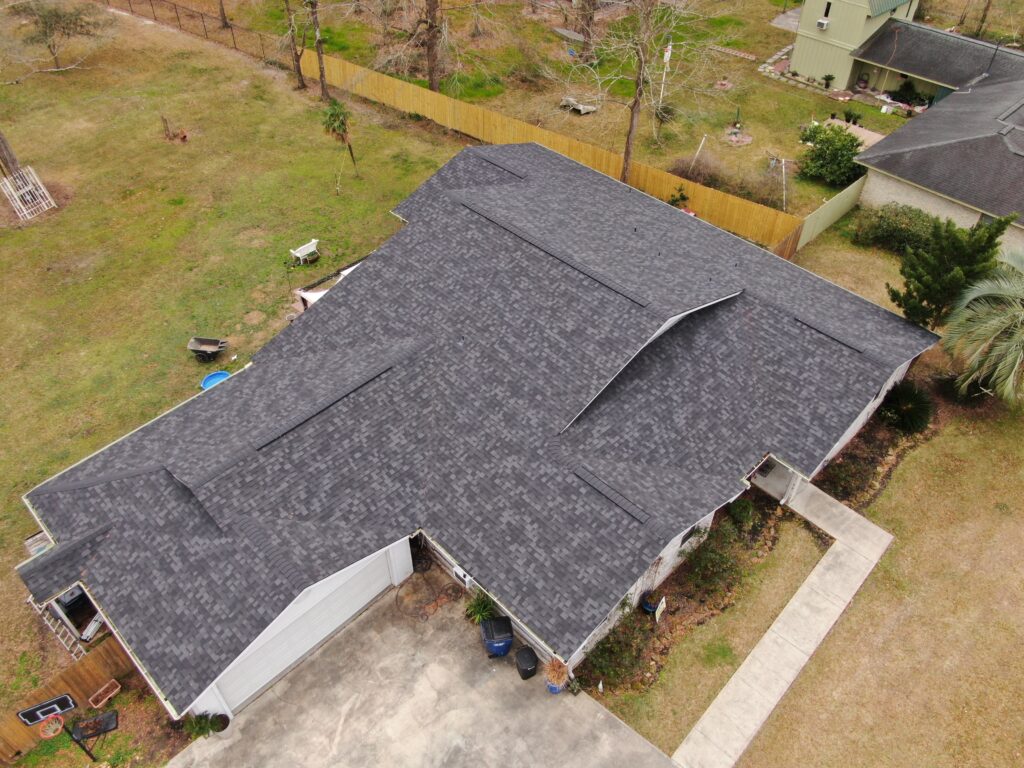
Cracked shingles are a frequent roof problem during the first freeze because cold makes asphalt shingles stiff and brittle. During warm weather, shingles stay flexible and shed water without any trouble. When the temperature drops, the same shingles lose that flexibility and become far easier to break. A gust of wind, a falling branch, or even foot traffic can snap a cold shingle in half. Water then slips through the crack, freezes overnight, and pries the gap open a little wider. This freezing and thawing pattern repeats through the winter and turns a hairline crack into an open leak. Shingles that were already worn face the greatest risk of cracking in the cold.
Look for cracked shingles after the first cold snap and again after any winter storm. From the ground, scan for pieces that look split, lifted, or out of line with the rows around them. Check your yard and gutters for granules or shingle fragments, which are clear signs that pieces have broken loose. Inside the house, a fresh water stain on the ceiling often traces back to a cracked shingle above. The sooner you find the damage, the smaller the repair usually is. A single cracked shingle is a quick fix, while a whole section left alone can lead to a replacement. Regular checks through the winter keep these small problems from growing.
Replacing cracked shingles quickly protects the layers underneath from water and rot. Once moisture reaches the underlayment and roof deck, the repair grows larger and more costly. A roofer can swap out damaged shingles and match them to the rest of your roof in a single visit. They will also check the surrounding area for hidden cracks that are easy to miss from the ground. As a preferred contractor for IKO and Owens Corning, we install quality shingles built to handle Texas weather swings. Strong shingles resist cracking and give your roof a longer, healthier life. Handling cracked shingles early keeps your roof solid through the coldest part of the year.
Roof Leaks as a Roof Problem During the First Freeze
Roof leaks are the roof problem during the first freeze that homeowners fear most, and for good reason. A leak that starts small can soak insulation, warp ceilings, and feed mold in a matter of days. Cold weather leaks often trace back to the same sources: worn flashing, cracked shingles, and ice dams. Water finds the weakest point, slips through, and follows the path of least resistance into your home. Because the entry point is rarely right above the stain, leaks can be tricky to track down. Freezing weather makes the problem worse, since water expands as it freezes and forces gaps even wider. What starts as a drip can turn into a steady stream if it is ignored.
Watch for the early signs of a roof leak throughout the winter months. Water stains on ceilings or walls, a musty smell, and peeling paint all point to moisture getting inside. In the attic, look for damp insulation, dark streaks on the wood, or drips during a thaw. Catching a leak at this stage keeps the repair small and protects your belongings. Place a bucket under any active drip and move valuables out of the way until help arrives. Then call a roofer to find the true source and seal it for good. The faster you act, the less water works its way into the structure of your home.
Stopping roof leaks before they start is the whole point of preparing your roof for the first freeze. Every step in this guide, from shingle checks to clean gutters to attic insulation, works to keep water out. Still, some leaks hide until the cold weather forces them into the open. When that happens, quick professional help saves your ceilings, your insulation, and your budget. Our team traces leaks to the true source and repairs them so they do not return with the next freeze. We also apply the full cost of any roof repair as a credit toward a future replacement, so your money keeps working for you. A dry home through the winter starts with a roof that is sealed and ready before the freeze.
Why You Need a Professional Roof Inspection Before the First Freeze
You can handle many freeze prep tasks on your own, but a professional roof inspection ties everything together. A trained roofer sees the small warning signs that most homeowners walk right past. They check the shingles, flashing, gutters, and attic as one connected system rather than separate parts. That full picture is exactly what your roof needs before the first freeze puts it to the test. An inspection now means fewer surprises, lower repair costs, and real peace of mind all winter. The sections below explain why this step is worth it and why so many neighbors trust our team.
Schedule a Roof Inspection Before the First Freeze
The best time to schedule a roof inspection before the first freeze is early in the fall, while the weather is still mild. Booking early gives you room to complete any repairs before the cold arrives and demand climbs. A roofer will walk the surface, check every seam, and test the spots that fail most in winter. They document each finding with photos so you understand the condition of your roof. From there, you get a clear plan and an honest estimate with no pressure to decide on the spot. Early scheduling keeps you ahead of the season instead of scrambling after the first hard freeze.
An inspection before the first freeze covers far more than a quick look at the shingles. Our team checks flashing, valleys, vents, gutters, and the attic to find every weak point in one visit. We look for cracked shingles, loose metal, clogged drains, and thin insulation, since each can cause a leak once freezing weather sets in. Finding these problems together saves you multiple service calls and a lot of stress. Ready to get your roof checked before the cold arrives? Click here for our roofing services.
Waiting until the first freeze to book an inspection often means a longer wait for service. Roofers get busy the moment the cold hits and leaks start showing up across town. By scheduling early, you get on the calendar while the schedule is open and the weather is on your side. You also gain time to plan for any repair instead of paying rush prices during an emergency. A little planning in the fall keeps your roof and your budget in good shape. Get ahead of the season, and let a professional confirm your roof is ready for the first freeze.
Save Money With Roof Repairs Before the First Freeze
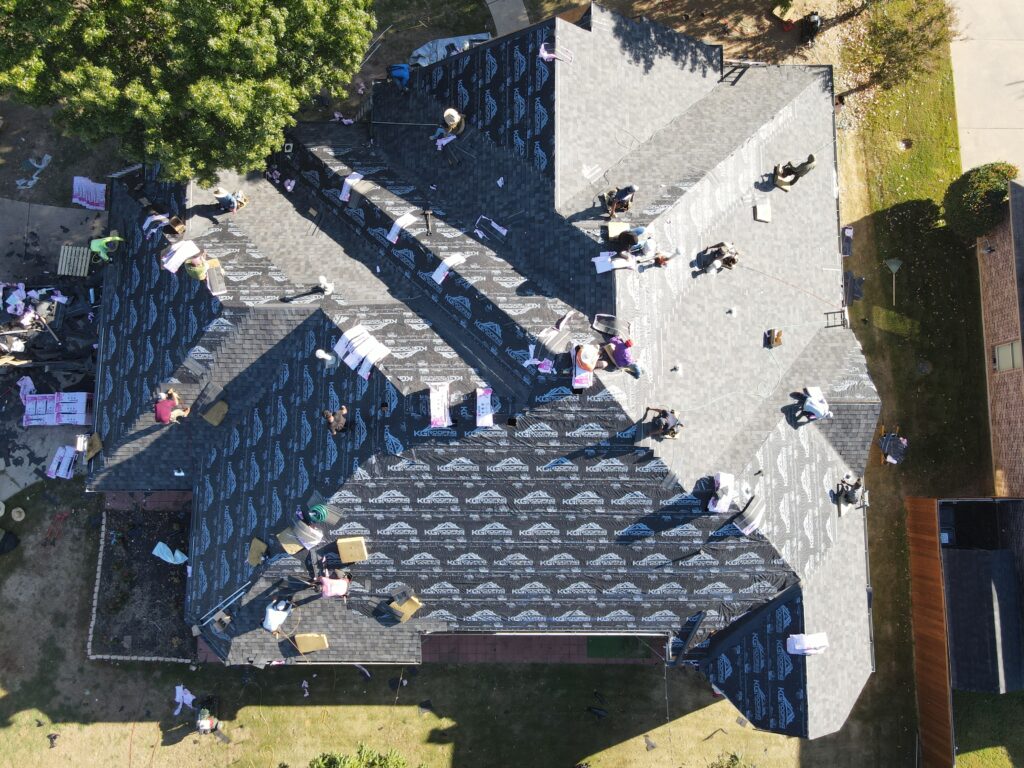
Making roof repairs before the first freeze is one of the smartest ways to protect your budget. Small problems are cheap to fix, but the same problems grow fast once ice and water get involved. A loose shingle repaired in October might cost very little, while the leak it causes in January can run into the thousands. Fixing issues early keeps the damage contained to the roof instead of spreading into your ceilings and walls. Prevention almost always costs less than repair, and far less than a full replacement. Every dollar you spend now saves several down the road.
KG Roofing makes early repairs even easier with our roof repairs paid forward promise. We apply the full cost of any roof repair as a credit toward a future roof replacement. That means the money you spend fixing a leak today is not lost; it works for you later. You get your roof sealed before the freeze and build value toward the day you need a new roof. Few roofing companies offer that kind of long lasting value to their customers. It is one more reason to handle repairs before the cold weather arrives.
Every replacement job we complete also comes with a four year labor warranty for your peace of mind. That warranty stands behind our work long after the first freeze has passed. We give a free, no obligation estimate on every project, so you always know the cost before you commit. There is never any pressure, only clear information and honest advice. Saving money on roof repairs before the first freeze is simple when you work with a team that puts your budget first. Reach out early, and we will help you protect both your roof and your wallet.
Why Choose KG Roofing & Renovations Before the First Freeze
Homeowners across Mansfield and the surrounding cities choose KG Roofing & Renovations for good reason. We hold an A+ rating with the Better Business Bureau, a mark of the trust we have earned over the years. As a preferred contractor for IKO and Owens Corning, we install top quality materials built to handle Texas weather. Our crews know exactly how a North Texas freeze tests a roof, and we prepare yours to stand up to it. From the first inspection to the final nail, we treat your home the way we would treat our own. That commitment to quality is the heart of everything we do.
Value matters to us as much as quality, and our offers prove it. Every replacement job includes a four year labor warranty, and every project starts with a free, no obligation estimate. Our roof repairs paid forward program applies the full cost of a repair toward your future replacement. These promises give you real protection and real savings before the first freeze. We built them to make quality roofing affordable for the families we serve. When you choose us, you get honest work backed by warranties you can count on.
The first freeze will arrive before you know it, so now is the time to get your roof ready. Our team is ready to inspect, repair, or replace your roof and answer every question along the way. Call KG Roofing & Renovations today at (817) 368-5115 to schedule your inspection before the cold sets in. We proudly serve Mansfield and the surrounding North Texas communities with fast, dependable service. Prepare your roof for the first freeze now, and enjoy a warm, dry, worry free winter. Reach out today, and let us protect the roof over your family’s head.