

What Those Dark Streaks on Your Roof Actually Mean
Dark streaks on a roof catch your eye the moment you pull into the driveway. They run down from the ridge in long vertical lines, and they often look like dirt, soot, or water damage that crept in overnight. Most homeowners assume the worst and picture a costly problem hiding under the shingles, ready to drain a savings account. The real cause is usually far simpler than that, though it still deserves a careful response. Those streaks come from a living organism that feeds on the materials inside your shingles. Texas summers bring intense heat and heavy humidity, and that combination gives this organism the perfect place to spread. Understanding what the streaks mean helps you protect your roof, your curb appeal, and your wallet at the same time. This guide breaks down the cause, the cleanup, and the long term prevention so you can make a smart and confident decision.
What Causes Dark Streaks on Your Roof
The dark streaks you see are almost always algae, not dirt, soot, or mildew. The species responsible is called Gloeocapsa magma, a hardy form of cyanobacteria that drifts through the air as tiny spores. When those spores land on a roof, they settle into the shingle surface and begin to feed on what they find there. Asphalt shingles contain a limestone filler made of crushed calcium carbonate, and the algae treat that filler as a steady food source. As the colony grows, it spreads across the surface and produces a dark pigment that shields it from sunlight. That protective pigment is exactly what gives the streaks their black or brown appearance from the ground. The growth tends to run downward because rain washes spores and colonies down the slope over time. Once you know the cause, the streaks stop looking like a mystery and start looking like a treatable problem.
The Algae Behind Dark Streaks on Your Roof
Gloeocapsa magma is a type of blue green algae, even though the streaks themselves appear dark rather than blue. The organism protects itself from ultraviolet rays by forming a dark outer sheath, and that sheath creates the staining you notice from the street. Spores travel on the wind from rooftop to rooftop, which explains why one streaky roof in a neighborhood often signals more to come. The algae need moisture to thrive, and a roof holds dew, rain, and humidity far longer than most people realize. Shaded sections stay damp well into the morning, and that lingering moisture quietly feeds the colony day after day. Heat alone does not kill the algae; it actually pairs with humidity to push the growth along faster. This is the main reason hot and humid regions across Texas see so many streaked roofs every single summer.
The food source matters just as much as the moisture does. Manufacturers add powdered limestone to asphalt shingles to lower cost and add weight, and that limestone gives the algae exactly what it craves. As the colony digests the calcium carbonate, it slowly works its way across the granule surface in a widening pattern. The process is gradual, so a roof can look clean one year and show heavy streaking only a few seasons later. Older shingles tend to streak faster because their protective granules have already started to thin out and wear away. Newer shingles can streak too, especially when they sit in shaded and consistently moist conditions. The key takeaway is simple; the algae are eating part of what keeps your shingles healthy and protected.
Many homeowners worry that the streaks signal rot, leaks, or a failing roof deck underneath. In most cases the algae sit on the surface and do not eat through the shingle to reach the wood below. The staining is not harmless over the long run, though, and ignoring it carries a real cost. Algae colonies hold moisture against the shingle, and trapped moisture shortens the life of any roofing system. The dark color also absorbs more heat, which raises attic temperatures and can push up cooling bills during a brutal Texas summer. Left untreated for years, the colony can loosen granules and leave the asphalt mat exposed to harsh sunlight. A quick and proper response keeps a cosmetic issue from slowly turning into a structural one.
Why Dark Streaks on Your Roof Appear on Certain Slopes
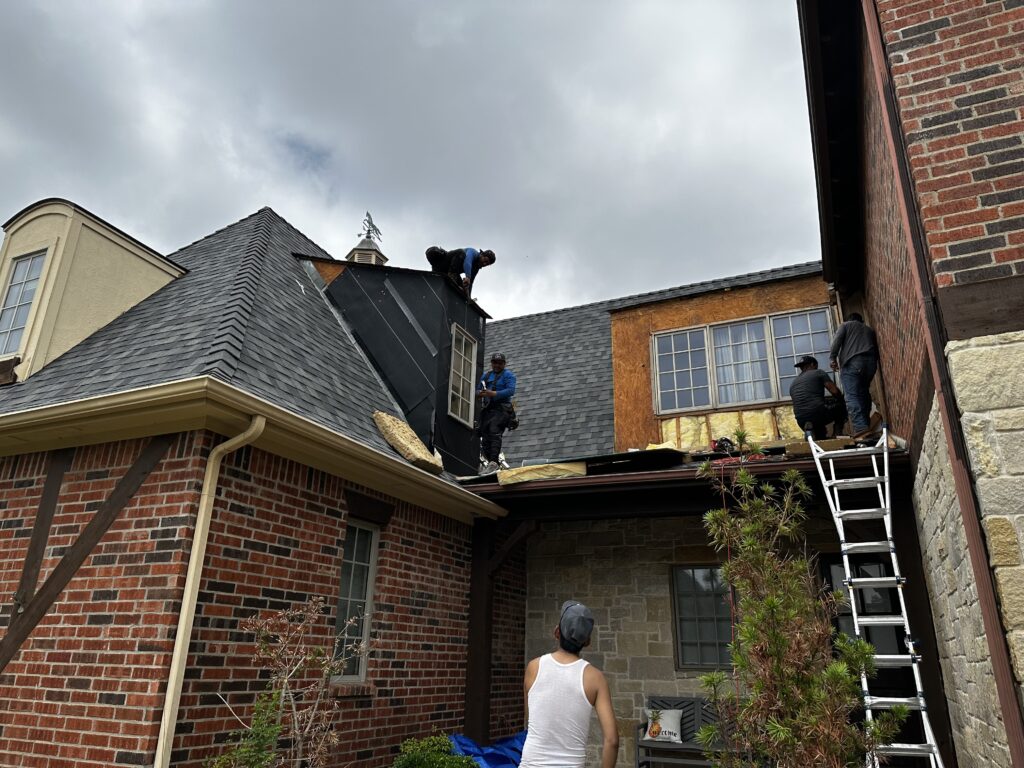
You may notice that the streaks show up heavily on one side of the roof and barely at all on another. North facing slopes are the usual hot spot because they receive the least direct sun across the day. Less sun means the surface stays cool and damp for longer stretches, and that damp surface is an open invitation for algae. South facing slopes dry out quickly under the strong Texas sun, so they resist colonization far better. The difference can be dramatic on the same house, with one slope nearly black and the other looking almost brand new. Tree cover plays a role too, since branches that shade a slope keep it wet and block the drying light. Slopes under heavy shade also collect organic debris, and that debris holds even more moisture against the shingles.
Roof pitch also affects how fast the streaks form and how quickly they spread. A steep slope sheds water rapidly, which gives the algae far less standing moisture to work with. A low slope drains slowly, so water lingers on the surface and feeds the colony for longer periods. Valleys where two roof planes meet tend to stay wet, and those channels often show the darkest staining first. Areas beneath clogged or overflowing gutters can stay saturated, which spreads the problem along the lower edge of the roof. Keeping water moving off the roof is one of the simplest ways to slow algae growth before it takes hold. Clean gutters and clear valleys give moisture far fewer places to sit and stagnate.
The orientation of nearby structures can shift exactly where streaks appear on your home. A tall fence, a second story addition, or a neighboring house can cast shade that keeps part of the roof damp. Rooftop features like chimneys and dormers create shadow lines, and algae often gather in those shaded pockets. Even the direction your home faces on the lot influences how sun and wind reach each individual slope. Wind carries spores but also dries the surface, so a slope exposed to a steady breeze may streak less. Understanding these patterns helps a roofer predict where growth is likely to return after a cleaning. It also guides smart placement of prevention products right at the ridge.
How Dark Streaks on Your Roof Differ From Moss and Lichen
Algae streaks are flat surface stains, but roofs can also host moss and lichen, and the three are not the same. Moss is a true plant with tiny root like structures that anchor down into the gaps between shingles. It grows in thick green clumps that hold water like a sponge, and that trapped water can lift and curl shingle edges. Lichen is a partnership between fungus and algae, and it clings to the surface with a tough grip that resists a simple rinse. Lichen often shows up as crusty patches in shades of green, gray, or white spread across the roof. Each of these growths thrives in the same damp and shaded conditions that favor algae in the first place. Telling them apart helps you and your roofer choose the right treatment for the job.
The damage potential rises noticeably as you move from algae to moss to lichen. Algae mostly stain the surface and trap a little extra heat and moisture against the shingle. Moss does more harm because its clumps hold standing water and physically pry at the shingle edges as they grow. Lichen can be the most stubborn of the three, since its fungal threads work into the granule layer and resist easy removal. Pulling moss or lichen off by force often strips granules along with the growth, which directly damages the shingle. This is the reason professional treatment relies on chemistry rather than brute force or aggressive scrubbing. Proper products kill the growth at its base so it can rinse away gently over the following weeks.
Correctly identifying the growth changes how a contractor approaches the entire job. A roof with only algae may need a single soft wash treatment and some prevention installed at the ridge. A roof with heavy moss may need careful removal, drainage fixes, and trimming of the overhanging branches above it. A roof with widespread lichen may need repeated treatment and a longer dwell time for the cleaning solution to work. Mixing up the three can lead to wasted money, wasted effort, or accidental damage to good shingles. A trained eye spots the difference quickly and plans the safest possible path forward. Want a closer look at what is growing on your shingles? Click here for our roofing services.
How to Remove and Prevent Dark Streaks on Your Roof
Once you know the streaks are algae, the next step is safe removal followed by smart long term prevention. The wrong cleaning method can do far more harm than the algae ever would, so technique truly matters here. Pressure washing is the most common mistake, and it tears the protective granules right off the shingles. The correct approach is a low pressure soft wash that uses a cleaning solution to kill the algae at the source. After cleaning, prevention is what keeps the colony from returning year after year and stain after stain. Metal strips at the ridge and algae resistant shingles are the two most proven tools for the job. Together, careful cleaning and steady prevention restore the look of your roof and protect its full lifespan.
The Safe Way to Clean Dark Streaks on Your Roof
Soft washing is the industry standard for cleaning algae off asphalt shingles without harming them. The method relies on a specialized cleaning solution rather than high pressure to do the real work. A common mix uses sodium hypochlorite, the active ingredient in household bleach, diluted to a safe strength for roofing. The solution is applied at low pressure, allowed to dwell, and then rinsed gently so the granules stay firmly in place. This chemistry kills the algae on contact and breaks down the staining over the following weeks. Some streaking may fade right away while the rest clears as each rain rinses the dead colony down. The goal is a fully clean roof with zero granule loss and zero shingle damage.
Pressure washing might seem faster and cheaper, but it ruins shingles in the process. The granules on asphalt shingles shield the asphalt mat from ultraviolet rays and add valuable fire resistance. A high pressure stream blasts those granules loose and leaves bald spots that age the roof rapidly. Water forced under the shingles can also reach the underlayment and the deck, which invites leaks and rot. Many roofing warranties become void the very moment a roof is pressure washed by a homeowner or crew. The damage is often invisible at first, then shows up as premature wear a year or two down the line. For asphalt shingles, low pressure is the only safe and warranty friendly choice.
Roof cleaning is also a real safety hazard that deserves serious respect. Shingles grow slippery the moment they get wet, and a soapy cleaning solution makes them more slippery still. Steep pitches and second story heights raise the stakes of a fall considerably for anyone on the roof. Professionals use harnesses, proper footwear, and ground based application tools to stay safe throughout the job. They also protect plants, siding, and gutters from the cleaning solution before they ever begin spraying. A trained crew knows the right dilution, dwell time, and rinse process for each specific shingle type. Hiring a professional turns a risky weekend chore into a clean and worry free result.
Preventing Dark Streaks on Your Roof With Metal Strips
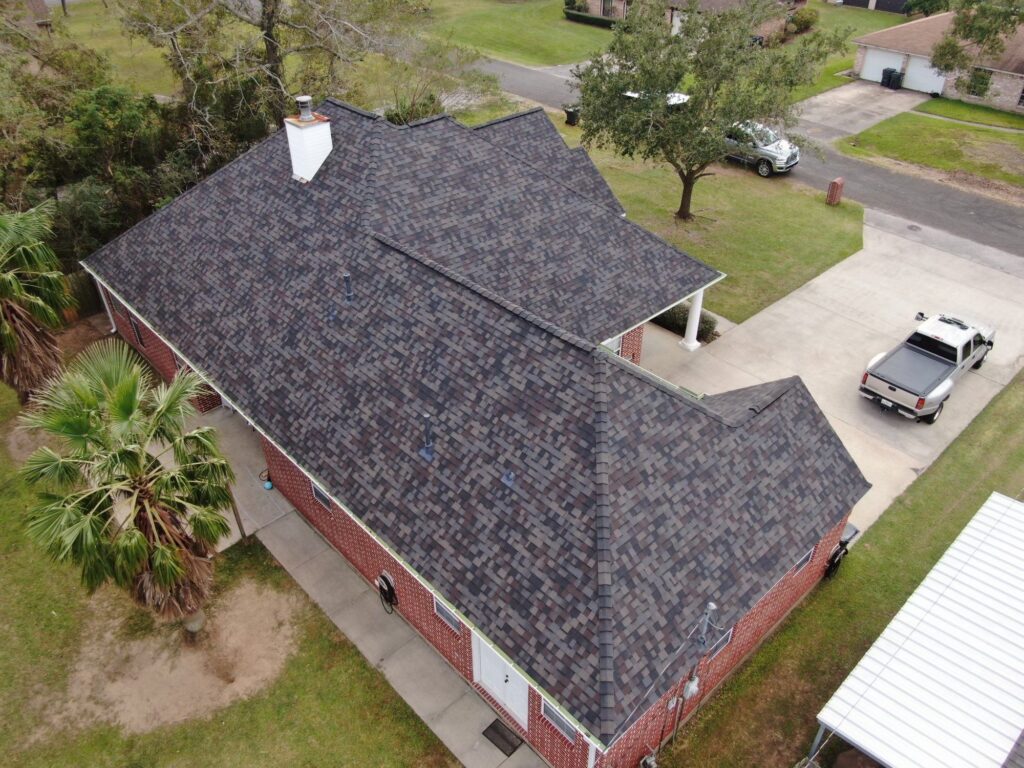
Copper and zinc strips are a proven way to stop algae from coming back after a cleaning. The strips are installed just below the ridge cap so they run along the very top of each slope. When rain falls, it picks up tiny metal ions from the strips and carries them down across the roof. Those ions are toxic to algae, so the rinse water leaves a thin protective barrier behind on the shingles. The result is a roof that effectively cleans itself a little more with every rainfall that passes. Copper is the stronger algaecide of the two metals, while zinc costs less and still performs well. Either option adds years of protection for a modest and worthwhile investment.
The science behind metal strips is the same idea you can see on old church and barn roofs. Areas right below copper flashing or chimney caps often stay clean while the rest of the roof streaks badly. That clean band marks the exact path where metal ions wash down the slope after each rain. Strip width and placement decide how far the protection actually reaches down the roof surface. A strip that is too narrow may protect only the top few feet and leave the lower section vulnerable. Proper installation places the metal where rain will spread it evenly across the full slope. A roofer sizes and positions the strips for complete coverage based on the shape of your roof.
Metal strips work best as one part of a complete prevention plan rather than a single fix. Keeping trees trimmed lets more sunlight reach the roof and dries the surface faster after rain. Clean gutters move water off the roof quickly and stop moisture from pooling along the lower edge. Removing leaves and debris denies the algae the damp shelter it needs to take hold and start growing. Good attic ventilation keeps the deck cooler and drier, which helps the entire roofing system last longer. The strips handle the chemistry while these simple habits handle the moisture side of the problem. Need your gutters cleared or replaced to keep water moving off the roof? <a href=”https://kgroofs.com/services/gutters/”>Click here for our gutter services.</a>
Algae Resistant Shingles That Stop Dark Streaks on Your Roof
If your roof is due for replacement, algae resistant shingles are absolutely worth a close look. These shingles carry copper coated granules mixed into the surface during the manufacturing process. The copper releases ions slowly over time, much like a ridge strip does, but across the entire roof surface. That built in protection fights algae from the first day without any added hardware on the roof. Most major brands offer this option, and the upgrade cost over standard shingles is usually quite small. KG Roofing & Renovations is a preferred contractor for IKO and Owens Corning, both of which make trusted algae resistant lines. Choosing the right shingle at replacement saves you from fighting streaks down the road.
Algae resistant shingles usually come with a dedicated streak warranty from the manufacturer. The warranty period commonly runs ten to fifteen years against visible algae growth on the roof. That coverage gives you peace of mind on top of the standard shingle warranty you already receive. The protection is strongest in the early years and gradually eases as the copper supply works through the granules. Even after the peak years pass, these shingles resist algae far better than untreated products do. Pairing these shingles with ridge strips can extend the clean look even longer than either method alone. A roofing professional can match the right product to your climate, your roof, and your budget.
A roof replacement is the perfect moment to build in long term defense against algae. The crew can install algae resistant shingles, add copper or zinc strips, and correct any drainage issues all at once. Proper attic ventilation can be addressed during that same project to keep the deck dry going forward. Starting fresh lets you solve the moisture problem at its root instead of treating symptoms later on. The upfront planning pays off in fewer cleanings, lower bills, and a longer overall roof life. A quality installation also protects the manufacturer warranty that backs your brand new shingles. Thinking about a new roof? Click here for our roofing services to explore your options.
Why You Need a Professional to Handle Dark Streaks on Your Roof
Dark streaks may start as a cosmetic issue, but the response should still be handled with real care. The right diagnosis, the safe cleaning method, and the proper prevention all take training and the correct equipment. A professional roofer protects your shingles, your warranty, and your safety in a single visit. KG Roofing & Renovations brings deep local experience with the heat and humidity that drive algae growth across North Texas. The next sections explain when to call, what the work involves, and why our team is the right choice for the job.
When Dark Streaks on Your Roof Need a Roof Inspection
Light streaking on a newer roof may only need a careful cleaning and some prevention at the ridge. Heavy staining, curling shingles, or visible granule loss point to deeper issues that call for a full inspection. An inspection checks the shingles, the flashing, the valleys, and the attic for hidden moisture damage. Catching a small problem early almost always costs far less than fixing a large one later. A professional report also gives you a clear plan instead of a stressful guessing game.
Age is an important factor to weigh the moment streaks start to appear. A roof in the back half of its lifespan may be better served by replacement than by repeated cleanings. An inspection measures remaining shingle life so your money goes toward the smarter long term option. If the algae have loosened granules across wide areas, the protective layer may already be compromised. Honest guidance here saves you from spending good money on a roof that is near the end. We give you the facts plainly so the final choice always stays in your hands.
Storm activity in North Texas adds another strong reason to inspect a streaked roof. Hail and wind can hide damage that blends right in with the staining you already see. An inspection separates harmless cosmetic algae from real structural harm that insurance may help cover. Documenting that damage early strengthens any claim you decide to file with your insurer. A trained roofer knows what adjusters look for and how to present the findings clearly. One visit can settle both the streak question and the storm question at the same time.
How a Roofing Contractor Treats Dark Streaks on Your Roof
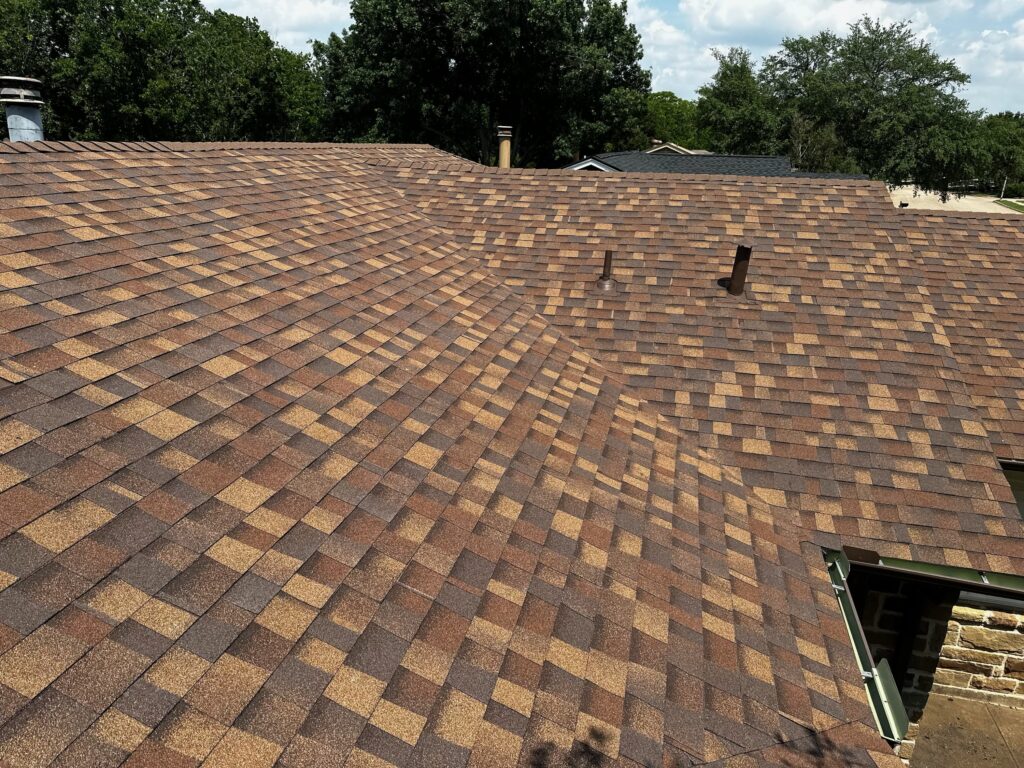
A professional treatment starts with identifying the growth and assessing the overall shingle condition. From there the crew chooses the correct cleaning solution and dilution for your specific roof. They protect landscaping, siding, and gutters carefully before any product ever touches the surface. The soft wash goes on at low pressure, dwells for the right amount of time, and rinses away gently. The result is a fully clean roof with every single granule still locked in place.
Prevention is built directly into a quality treatment plan from the start. After cleaning, the crew can install copper or zinc strips along the ridge for ongoing protection. They can also address drainage and trim back the debris collecting points where algae take hold. This combination tackles both the existing growth and the conditions that allowed it to spread. A one time cleaning without prevention often leads to streaks returning within just a few years. Doing the job right the first time saves you real money over the long run.
A reputable contractor stands behind the work with clear and honest expectations. They explain how quickly the streaks will fade and what to expect after the next few rains. They document the job so any warranty terms are easy to follow later on. They also flag any repairs the roof needs before those issues become costly emergencies. Clear communication builds trust and keeps you fully informed at every step of the process. That standard of service is what separates a quick rinse from a lasting professional result.
Why Choose KG Roofing & Renovations for Dark Streaks on Your Roof
KG Roofing & Renovations holds an A plus rating with the Better Business Bureau, and that reputation reflects how we treat every customer. We are a preferred contractor for IKO and Owens Corning, so we can install top tier algae resistant shingles when you need them. Our team understands the North Texas climate and the heat and humidity that fuel algae growth each summer. We serve Mansfield and the surrounding communities with honest assessments and careful, detailed work. From the first inspection to the final rinse, we always put your roof and your trust first.
Our promises go well beyond simply leaving you with a clean roof. Every replacement job carries a four year labor warranty, which gives you confidence long after the crew packs up and leaves. We provide a free no obligation estimate on every project, so you know the cost clearly before you commit. We even pay roof repairs forward by applying full credit toward a future replacement down the road. These policies show that we value long term relationships far more than quick one time jobs. You get straight answers and fair pricing from the first call all the way to the finish.
Tackling dark streaks is far easier when an experienced local team handles all the details for you. We diagnose the growth correctly, clean it safely, and put real prevention in place so it stays gone. We protect your shingles, your warranty, and your home during every single visit we make. Reach out today for a free estimate and let us restore the look and health of your roof. Call KG Roofing & Renovations at (817) 368-5115 to schedule your inspection now. Your roof deserves care that lasts, and our team is ready to deliver exactly that.