

What Every North Texas Homeowner Should Do After a Hailstorm
If you own a home anywhere in the DFW Metroplex, you already know the drill. The sky turns an ugly shade of green, the wind picks up, and within minutes hailstones are hammering your roof, your gutters, and your cars in the driveway. North Texas sits in one of the most active hail corridors in the country, and every spring and early summer brings another round of storms capable of doing thousands of dollars in damage in a matter of seconds. The frustrating part is that most of that damage happens where you can’t see it.
This guide is here to change that. We’ll walk you through why our roofs take such a beating, the kinds of damage that hide in plain sight, exactly what to do in the hours and days after a storm rolls through, how to handle the insurance side without losing your mind, and how to rebuild in a way that actually holds up the next time the clouds roll in. The goal is simple: help you protect your biggest investment and make informed decisions instead of panicked ones.
Why DFW Roofs Take Such a Beating
North Texas weather is uniquely hard on roofing systems. We get the full menu of severe weather here, from baseball-sized hail and straight-line winds to the relentless summer sun that bakes asphalt shingles year-round. A roof in Mansfield, Arlington, or Fort Worth isn’t just fighting one storm a season; it’s absorbing the cumulative wear of dozens of weather events that slowly strip away the protective granules that keep your home dry.
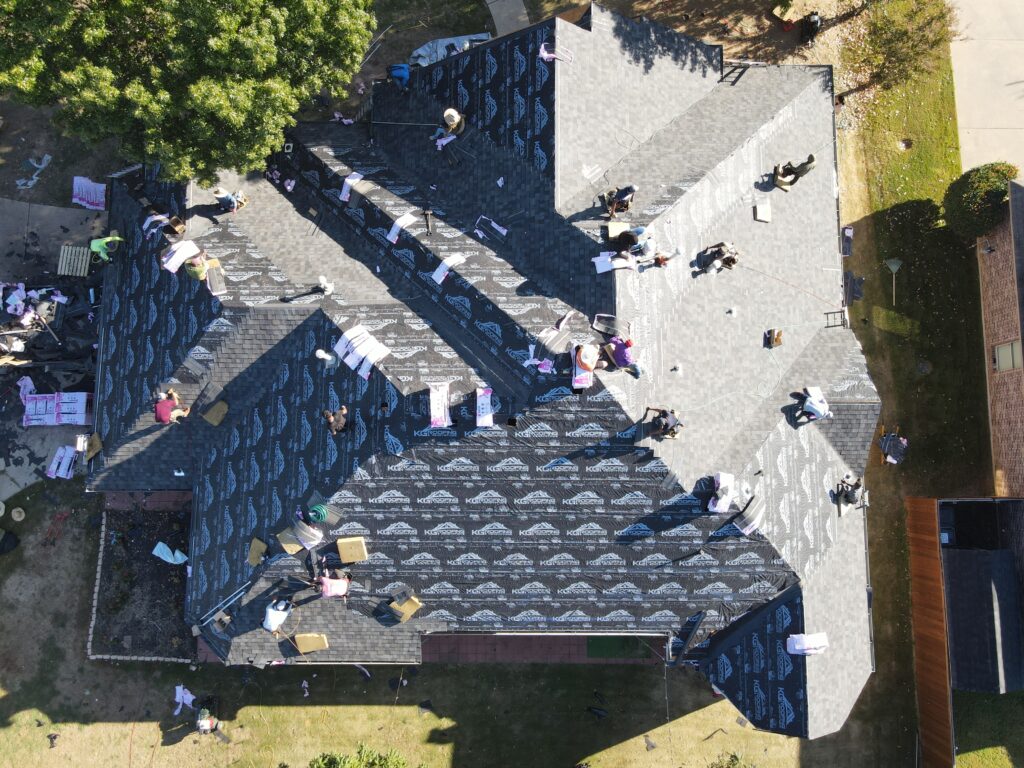
Hail is the headline threat, and for good reason. When a stone strikes a shingle, it can fracture the mat beneath the surface and knock away the granules that shield the asphalt from UV rays. Even if the shingle looks intact from the ground, that bruise becomes a weak spot where water works its way in and the sun accelerates aging. A single hailstorm can effectively take years off the life of an otherwise healthy roof.
Wind compounds the problem. The same storms that drop hail often bring gusts strong enough to lift shingle edges, break the adhesive seal between courses, and tear flashing loose around chimneys and vents. Once that seal is broken, shingles flap and fail far faster than they should. This is why two homes on the same street can come out of the same storm in completely different shape, and why a professional eye matters so much in our part of Texas.
The Damage You Can’t See From the Driveway
Here’s the trap a lot of homeowners fall into: they walk outside after a storm, glance up at the roof, see no missing shingles or obvious holes, and assume they dodged the bullet. Unfortunately, the most expensive hail and wind damage is almost always the kind you can’t spot from the ground. Roofs are designed to look fine right up until the moment they start leaking, and by then the damage has usually been spreading for months.
Need a roof replacement? Click here for our roofing service.
What a trained inspector actually looks for is functional damage rather than just cosmetic blemishes. That means hail bruising you can feel but not see, granule loss collecting in the gutters, soft or punctured spots on the shingle mat, dented or cracked vents and flashing, and damaged ridge caps along the peaks. Each of these is a doorway for water, and water is what turns a few hundred dollars of roof damage into a five-figure problem involving decking, insulation, drywall, and mold.
This is exactly why a free, no-obligation property inspection is worth scheduling even when nothing looks wrong. A thorough assessment includes climbing the roof safely, documenting findings with photos and written notes, and giving you an honest picture of what’s actually happening up there. That documentation isn’t just for your peace of mind; it becomes the foundation of any insurance claim you may need to file, which brings us to what you should do the moment the storm passes.
Your First 48 Hours After the Storm
The first two days after a major storm matter more than most people realize, and the smartest first move is the one that keeps you safe: stay off the roof. Wet shingles, hidden soft spots, and loose debris make a freshly battered roof genuinely dangerous, and a fall causes far more harm than the storm did. Leave the climbing to insured professionals who do it every day with the right equipment.
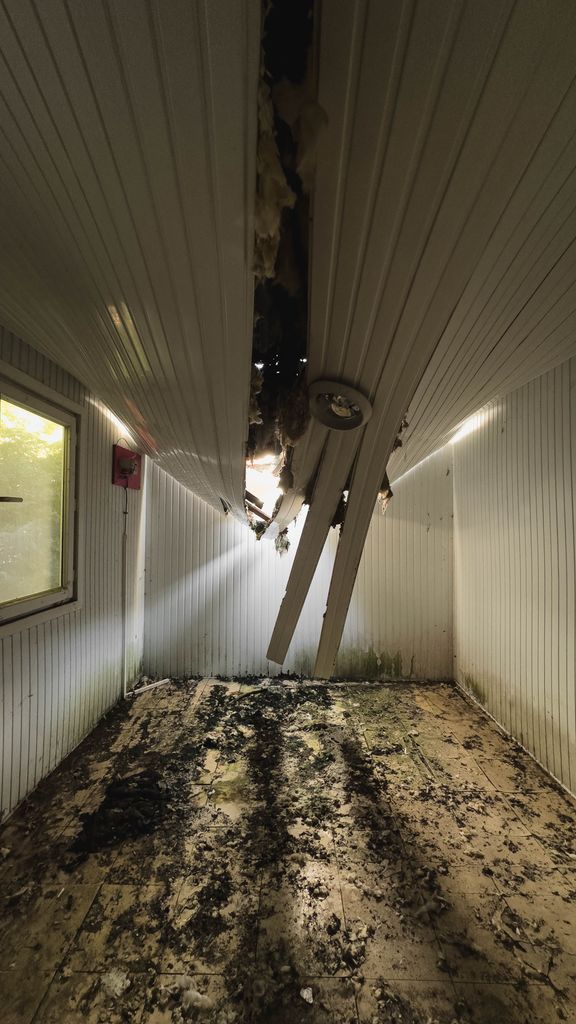
Instead, focus on documentation and protection from the ground. Take time-stamped photos of any visible damage to the roof, gutters, windows, siding, screens, and vehicles, and jot down the date and time of the storm while it’s fresh. If you can see active leaking inside the house, move belongings out of the way and place buckets to catch water, but don’t attempt repairs that put you on a ladder in unstable conditions. Good record-keeping early on makes everything that follows go more smoothly.
If your roof is actively letting water in, this is the moment to call for emergency help rather than waiting days for an opening. Same-day emergency tarping can stop the bleeding and prevent a small breach from turning into a soaked attic and ruined ceilings. A reputable local roofer will get a protective tarp in place quickly, document the damage properly, and stabilize the situation so you have time to handle the claim the right way instead of making rushed decisions under pressure.
Working With Your Insurance Company
For most North Texas homeowners, the insurance claim is the most stressful part of the whole process, and that’s by design. You’ve paid premiums for years, but when it’s finally time for the carrier to pay out, the process can feel like it’s built to wear you down. Knowing how it works ahead of time puts you in a far stronger position. Start by reviewing your policy so you understand your deductible, what’s covered, and the deadline for reporting storm damage, which in Texas is typically generous but not unlimited.
Want to know if you should repair or replace your roof? Click here for more information.
When you file, the carrier sends an adjuster to assess the damage, and this meeting often determines how much of your claim gets approved. The catch is that an adjuster is working for the insurance company, may have dozens of homes to inspect that week, and can easily miss or undervalue functional damage that a roofing specialist would flag immediately. Having a knowledgeable roofer present for that inspection can make a real difference in whether subtle hail bruising and wind damage actually make it into the final scope of work.
This is where partnering with a contractor who knows the claims process inside and out genuinely pays off. The best local roofers handle this every single day, come prepared for the common pushbacks, and advocate on your behalf so you receive everything your policy entitles you to. The goal isn’t to game the system; it’s to make sure legitimate, documented damage gets fully covered rather than quietly written off, so you’re not left paying out of pocket for a storm that was never your fault.
Rebuilding Stronger Than Before
Once your claim is approved, you have a real opportunity that a lot of homeowners overlook: you can rebuild a roof that’s tougher than the one the storm just destroyed. Replacing like-for-like is the default, but North Texas weather is only getting more extreme, and it’s worth asking your contractor what upgrades make sense for your home and your budget. The difference between a bargain roof and a quality one shows up the next time the hail comes back.
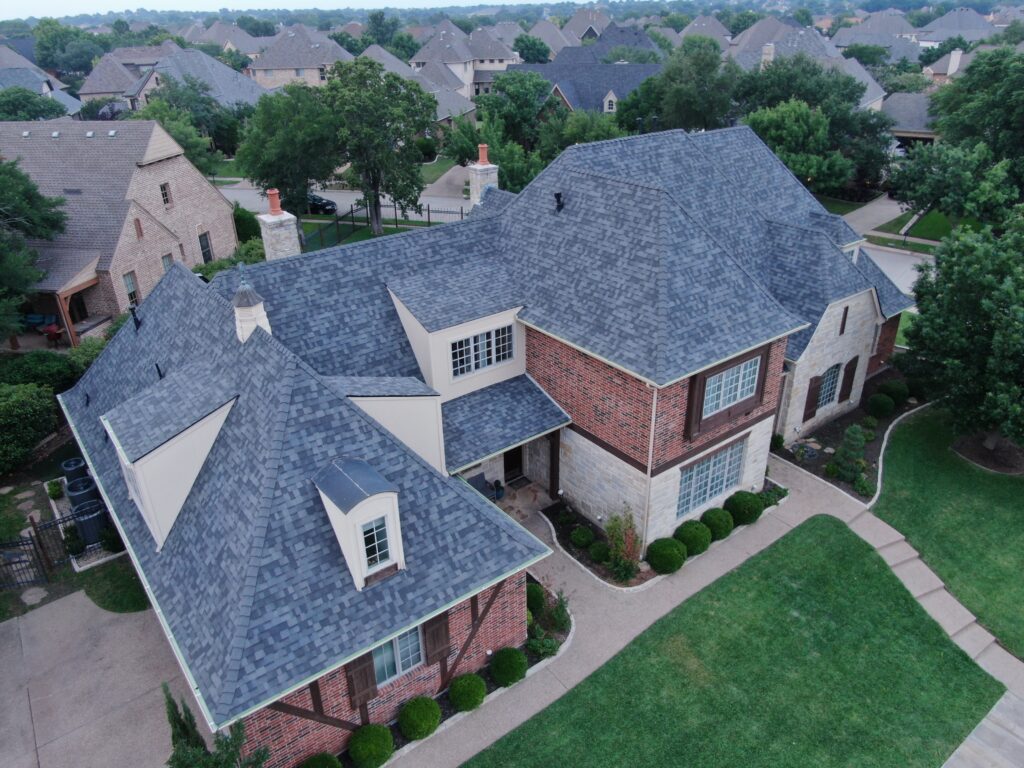
Material choice is where it starts. Premium architectural and designer shingles from manufacturers like Owens Corning and IKO offer better wind ratings and longer lifespans than builder-grade options, and Class 4 impact-resistant shingles are specifically engineered to stand up to hail. Many Texas insurance carriers even offer premium discounts for impact-resistant roofing, which means a stronger roof can quietly pay for part of itself over time. For homeowners who want maximum durability, standing seam metal, tile, and slate are all built to last decades.
Just as important as the materials is the crew installing them and the promise that stands behind the work. A roof is only as good as its installation, so look for a contractor who uses premium underlayment, installs flashing correctly, and backs the job with a real workmanship warranty rather than a vague verbal assurance. When an owner of the company personally inspects the finished job and won’t leave until you’re satisfied, you can trust that no corners were cut where they matter most.
A hailstorm in North Texas isn’t a question of if but when, and how well your home weathers it comes down to the decisions you make before, during, and after the clouds clear. Stay off the roof, document everything, get a professional inspection even when things look fine, and lean on people who know how to navigate the insurance maze so you get what you’re owed. Handled the right way, a storm that feels like a disaster can become a chance to come back stronger.
If your DFW-area home took a hit this season, KG Roofing & Renovations is ready to help. As a family-owned, BBB-accredited company born and raised right here in the Metroplex, we offer free same-day property inspections, emergency tarping, honest claim documentation, and a firm workmanship warranty on every residential roof we replace. Give us a call at (817) 368-5115 to schedule your free inspection, because when it comes to your home’s first line of defense, we rebuild the corners others like to cut.