

How to Tell If Your Roof Will Survive Another Storm Season
Storm season in North Texas does not wait for your roof to be ready. Every spring and summer, hail, straight line winds, and heavy rain roll across the Dallas Fort Worth area and test every shingle on your home. Some roofs come through these storms without a scratch, while others lose their protection in a single afternoon. The difference often comes down to the condition of the roof before the first storm ever arrives. Knowing how to read the early signs gives you time to make repairs while the weather stays calm. A roof that looked fine last year may have aged faster than you think. Small problems grow quickly once water and wind find a weak point. This guide walks you through the clues that tell you if your roof is ready for what is coming.
Warning Signs Your Roof Might Not Survive Storm Season
Your roof sends signals long before it fails. Most of these warning signs are easy to spot once you know what to look for. Asphalt shingles show their age through curling, cracking, and bald spots where the granules have worn away. Metal flashing rusts and pulls loose around chimneys and vents. Inside the attic, water stains and soft wood point to leaks that already started. Catching these problems early is the key to making it through storm season without major damage. Worried your shingles will not hold up this year? Click here for our roofing service to schedule an inspection.
Shingle Damage That Shows Your Roof May Not Survive Storm Season
Shingles are the first line of defense on your home, and they take the hardest hits during a storm. When they start to fail, the rest of the roof follows fast. Look for shingles that curl up at the edges or cup in the middle, since both shapes let wind get underneath. Cracked shingles split apart under the next round of hail or heavy rain. Bald spots where the dark mat shows through mean the protective granules are gone. Those granules shield the asphalt from the sun, and without them the shingle bakes and breaks down. A roof covered in these signs is unlikely to hold up through another active season.
Missing shingles are an even clearer warning. Each gap exposes the underlayment and wood deck to direct rain. Wind often lifts shingles without tearing them all the way off, leaving them creased and weak. A creased shingle has already lost its seal, so the next gust can rip it free. Check the ground and gutters after any windstorm for loose pieces. Finding shingle fragments scattered around your yard tells you the roof is shedding material it cannot afford to lose. Replacing these areas before the next storm keeps a small repair from turning into a full tear off.
Granule loss is one of the most common signs homeowners miss. After a hailstorm, those tiny rock like granules wash into the gutters and collect at the bottom of downspouts. A handful of granules now and then is normal as a roof settles, but large amounts signal real wear. Run your hand along the shingles near the roof edge if you can reach safely from a ladder. A surface that feels smooth instead of gritty has lost much of its protection. Dark patches that look different from the rest of the roof often mark where granules have stripped away. When you see widespread granule loss, the roof is near the end of its useful life and may not survive the season ahead.

Flashing and Seal Failures That Threaten Storm Season Survival
Flashing is the metal that seals the joints where your roof meets walls, chimneys, and vents. These joints are the most common place for a roof to leak. When flashing rusts, bends, or pulls away from the surface, water finds a direct path inside. Check the metal around your chimney for gaps and peeling sealant. Look at the boots around plumbing vents, since the rubber cracks and dries out under years of Texas sun. A cracked vent boot is a small part with a big impact on a storm. Sealing or replacing these pieces now stops a leak before the rain ever tests them.
Valleys are another spot where seals fail under pressure. A valley is the channel formed where two roof slopes meet, and it carries the heaviest flow of water during a downpour. Worn shingles or damaged metal in a valley let water slip beneath the surface. From there the water soaks into the deck and travels along the framing. Many homeowners never notice a valley problem until a stain appears on the ceiling. By then the wood underneath has often softened. Keeping valleys clear and sealed is one of the best ways to survive heavy rain.
Old sealant and exposed nails round out the list of seal failures. Roofers use sealant to lock down edges, ridge caps, and the heads of nails. Over time that sealant shrinks, cracks, and lets moisture creep in. Nails can also back out slightly as the wood expands and contracts through the seasons. An exposed nail head is a tiny opening that rust and rain quickly turn into a leak. A careful pass over the roof to reseal these spots costs little compared to a deck repair. Strong seals across the whole roof give you real confidence going into storm season.
Attic Clues That Reveal If Your Roof Will Survive Storm Season
Your attic holds some of the clearest evidence about your roof. Wait for a sunny day, then climb up with a flashlight and look at the underside of the deck. Any beam of daylight coming through the roof means there is a hole that water will follow. Dark stains or streaks on the wood point to leaks that have already happened. Run your hand across the decking near those stains to feel for soft or spongy spots. Soft wood means rot has set in and the area needs attention before the next storm. A quick attic check often catches problems the surface hides.
Moisture and insulation tell their own story up there. Damp or matted insulation usually sits right below a leak. Wet insulation loses its ability to keep your home cool, which drives up your power bill. A musty smell in the attic is another sign that moisture has been building over time. Mold growth on the wood or insulation confirms that water has been getting in for a while. Fixing the source on the roof and replacing the ruined insulation restores both protection and comfort. The attic shows you the damage long before the ceiling does.
Proper ventilation also affects how well your roof survives a storm. Without enough airflow, heat and moisture build up under the deck and shorten the life of the shingles. Look for ridge vents and soffit vents that are clear and working. Blocked vents trap humid air that slowly warps the wood and curls the shingles from below. A roof that cooks from the inside ages faster than one that breathes well. Good ventilation keeps the deck dry and the shingles flexible. That hidden balance plays a big part in how your roof handles the next heavy storm.
How to Inspect Your Roof Before the Next Storm Season
You do not need to climb onto the roof to learn a lot about its condition. A careful inspection from the ground, the gutters, and the attic gives you a clear picture of what shape your roof is in. The goal is to find weak points while you still have calm, dry weather to fix them. Bring a pair of binoculars and a flashlight, and take your time looking at each slope. Write down anything that looks worn, loose, or out of place. A simple checklist turns a vague worry into a real plan.
A Ground Level Roof Inspection Before Storm Season
Start your inspection by walking the full perimeter of your house. Step back far enough to see each slope of the roof clearly. Look for any shingles that sit higher or lower than the ones around them, since that uneven look often means lifting or buckling. Streaks of dark staining can point to algae growth that holds moisture against the shingles. Sagging lines along the ridge or the edges suggest the wood deck underneath has weakened. Use binoculars to study the areas around chimneys, skylights, and vents where leaks tend to begin. A slow lap around the house often reveals more than people expect.
Pay close attention to the lines where two roof slopes meet, known as valleys. Valleys carry the most water during heavy rain, so they wear faster than flat areas. Worn or cracked shingles in a valley let water slip under the surface and into the deck. Check the metal flashing in these channels for rust, gaps, or lifted edges. Around the chimney, the flashing should sit tight against the brick with no peeling sealant. Any spot where metal meets shingle is a place water tries to enter. These transition points fail first, so they deserve extra time during your inspection.
Do not forget the parts of the roof you can see from a second story window. An inside view often shows the back slope that you cannot see from the yard. Open the blinds and look across the roof for missing pieces or shiny spots where granules have worn off. Bright patches in direct sunlight usually mean exposed asphalt. Take photos of anything that concerns you so you can compare it over time. A record of small changes helps you decide when a repair becomes urgent. The more angles you study, the better your read on the roof will be.
A Gutter and Downspout Check Before Storm Season
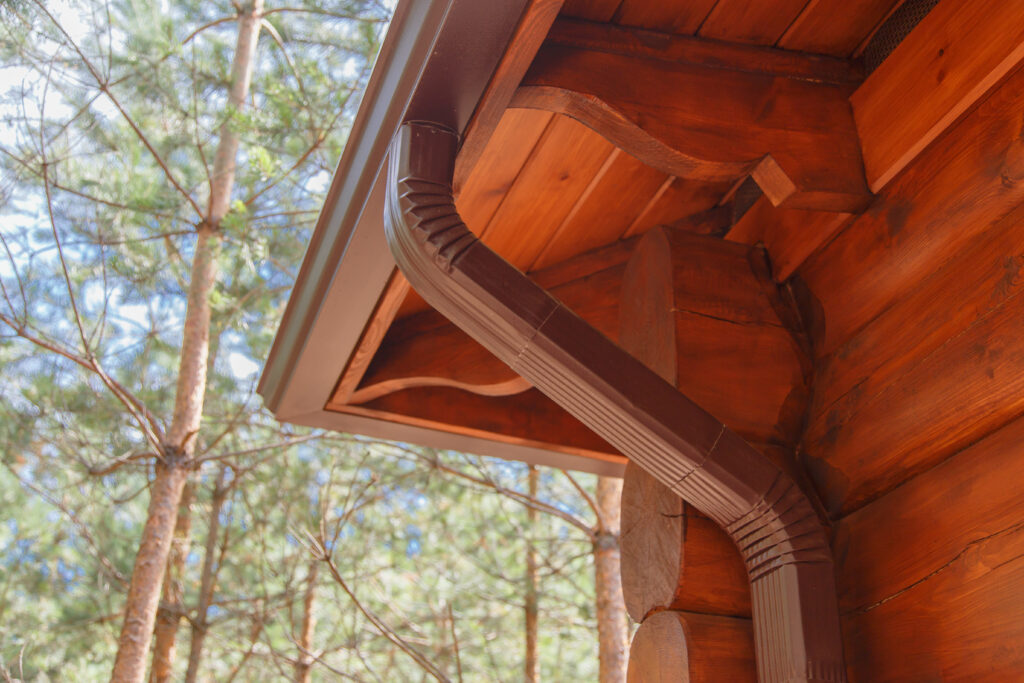
Your gutters tell a quiet story about the health of your roof. After a storm, scoop out a handful of whatever has collected inside. A thick layer of sandy granules means your shingles are shedding their protective coating. The more granules you find, the closer your roof is to the end of its service life. Clogged gutters also push water back under the roof edge, where it rots the fascia and decking. Clear out leaves and debris so rain can flow freely away from the house. A clean gutter both protects the roof and gives you a clear sample to inspect.
Walk the line of your gutters and look for sagging or pulling away from the house. Gutters that hang loose cannot move water fast enough during a hard Texas downpour. Overflowing water spills against the siding and pools around the foundation. Check that every downspout sends water several feet away from the walls. Rust spots, holes, and seams that have split all reduce how well the system works. Tighten loose brackets and reseal any small gaps before the heavy rain returns. Strong, clear gutters take pressure off the roof when the storms roll in.
Look up at the roof edge while you stand by the gutters. The first row of shingles along the edge faces the most wind and the most water. Lifted or curled shingles here are an early sign of trouble. Check the drip edge, which is the metal strip that guides water into the gutter. A bent or missing drip edge lets water creep behind the gutter and into the wood. Stains on the fascia board often appear before a leak shows up inside the house. Catching these edge problems early keeps a small fix from spreading across the whole roofline.
When to Schedule a Professional Roof Inspection for Storm Season
Some problems hide where a homeowner cannot safely look. A professional roofer walks the surface, checks the seal on every penetration, and reads the wear patterns that take training to spot. If your roof is more than fifteen years old, a yearly inspection is a smart habit. Roofs that have already lived through hail or high wind should be checked even sooner. An expert can tell the difference between normal aging and damage that threatens the next storm. They also document everything, which helps if you ever file an insurance claim. A trained inspection turns guesswork into a clear list of what your roof needs.
Timing matters as much as the inspection itself. The best window to call a roofer is before storm season peaks, while crews have open schedules and materials stay easy to get. Once a major hailstorm hits the area, every roofer in town fills up fast. Waiting until after the damage means longer delays and a tarp over your living room. A spring or early summer inspection gives you room to plan and budget. It also lets you make repairs on your own timeline instead of in a rush. Getting ahead of the season is the cheapest insurance you can buy for your roof.
A good inspection covers far more than the shingles you can see. The roofer checks the attic for moisture, looks at the underlayment, and tests the flashing at every joint. They measure the remaining life of the roof and explain your options in plain terms. You walk away knowing exactly where you stand before the first storm arrives. KG Roofing and Renovations offers a free, no obligation estimate on every project. Ready to find out if your roof can take another season? Click here for our roofing service to book your inspection.
Why You Need a Roof Inspection Before Storm Season Hits
The smartest time to act is before the sky turns dark. A roof inspection before storm season gives you the facts you need to protect your home and your budget. It finds the weak spots while repairs are still small and affordable. It also gives you peace of mind when the forecast turns rough. Here is why an inspection now is one of the best decisions you can make for your home.
Protect Your Home Before Storm Season With a Roof Inspection
Your roof protects everything underneath it. When it fails during a storm, water reaches your insulation, drywall, and belongings within hours. A single leak can lead to mold, ruined ceilings, and damaged floors. An inspection before storm season finds the gaps that let water in. Sealing those gaps now keeps your home dry when the heavy rain arrives. Protecting the roof is the simplest way to protect everything you own.
Storm damage rarely stays in one place. A small leak spreads across the deck and travels along the framing. By the time a stain shows on the ceiling, the problem has often grown for weeks. Early repairs stop that spread before it reaches the living space. A roofer can replace a few shingles and reseal a vent in a single visit. That quick fix saves you from a long and costly repair later.
A sound roof also keeps your family safe and comfortable. High winds can tear loose material and turn it into a hazard around your yard. A weak deck can sag or fail under the weight of pooled water. Catching these risks early removes the danger before a storm tests them. You sleep better knowing the roof over your head is ready. Safety is the real reason a pre season inspection matters so much.
Save Money Before Storm Season With a Roof Inspection
Roof repairs are far cheaper than roof replacements. A small problem caught early might cost a fraction of what a full leak repair runs. Once water reaches the deck and the framing, the bill climbs fast. An inspection helps you spend a little now to avoid a lot later. KG Roofing and Renovations even applies full credit from a roof repair toward a future replacement. That credit means the money you spend now is never wasted.
A documented inspection also strengthens any future insurance claim. Insurers want proof of the roof condition before a storm caused damage. Photos and notes from a professional inspection give you that record. Without it, a claim can be denied or reduced. Having clear documentation makes the claims process faster and fairer. That paperwork can be worth thousands when a real storm hits.
Energy savings are another quiet benefit of a healthy roof. Gaps and worn shingles let cooled air escape during the hot Texas summer. Your air conditioner then works harder and your power bill climbs. Sealing the roof and improving the attic keeps your home more efficient. A well maintained roof pays you back month after month. Small repairs now add up to real savings over the years.
Why Choose KG Roofing and Renovations
KG Roofing and Renovations holds an A+ rating with the Better Business Bureau. We serve homeowners across Mansfield, Arlington, Burleson, and the wider Dallas Fort Worth area. As a preferred contractor for IKO and Owens Corning, we install proven materials built for Texas weather. Our team treats every roof as if it covered our own family. We show up on time, explain what we find, and never push work you do not need. That honest approach is why so many neighbors trust us with their homes.
Every replacement job we complete comes with a four year labor warranty. That warranty stands behind our work long after the crew has packed up. We also offer a free, no obligation estimate on every project, so you know your options before you commit. Our roof repairs are paid forward, with full credit applied toward a future replacement. We believe a roofing company should earn your trust through results, not pressure. When you call us, you get straight answers and fair pricing.
Do not wait for the next storm to find the weak spots in your roof. A quick inspection now can save you thousands and keep your family dry all season long. Click here for our roofing service to schedule your free estimate today. Our friendly team is ready to walk your roof and give you an honest report. Call KG Roofing and Renovations at (817) 368-5115 to book your inspection before storm season peaks. Protect your home now, while the weather stays on your side.